Frontend
Fastyr AI
Built the Frontend, Design System & Data Layer for an AI Agent Workspace
- Role
- Frontend engineer
- Timeline
- Ongoing
- Team
- Cross-functional team
- Live link
- fastyr.ai
- 1
- shared component library
- Measurable
- load-time improvement
The problem
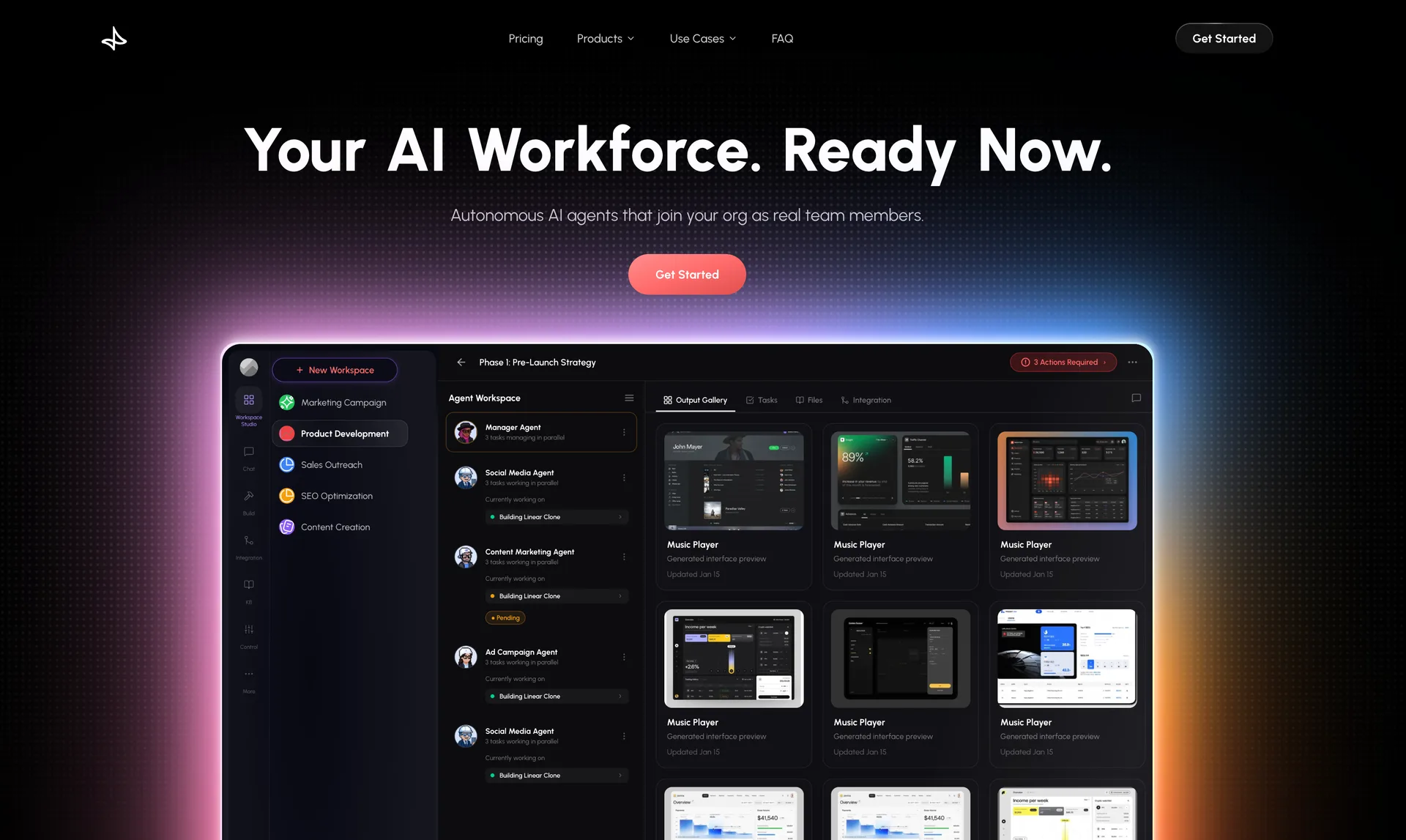
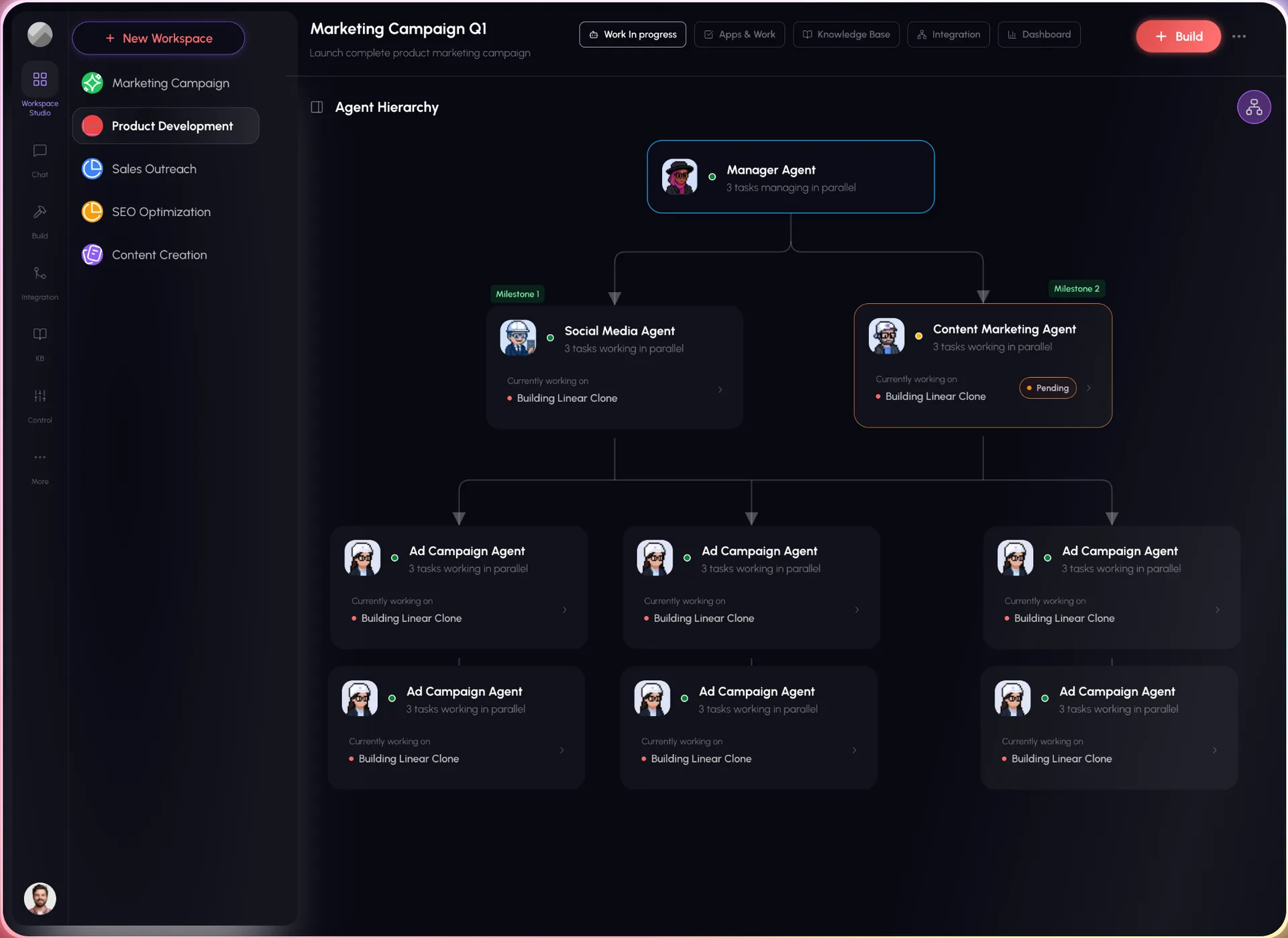
Fastyr is an AI-native workspace where autonomous agents join teams as collaborators across sales, marketing, finance, and support. The product had a rich Figma vision but no production frontend and no shared component system, so every new surface risked being rebuilt from scratch with inconsistent UI.
My approach
Design system & UI
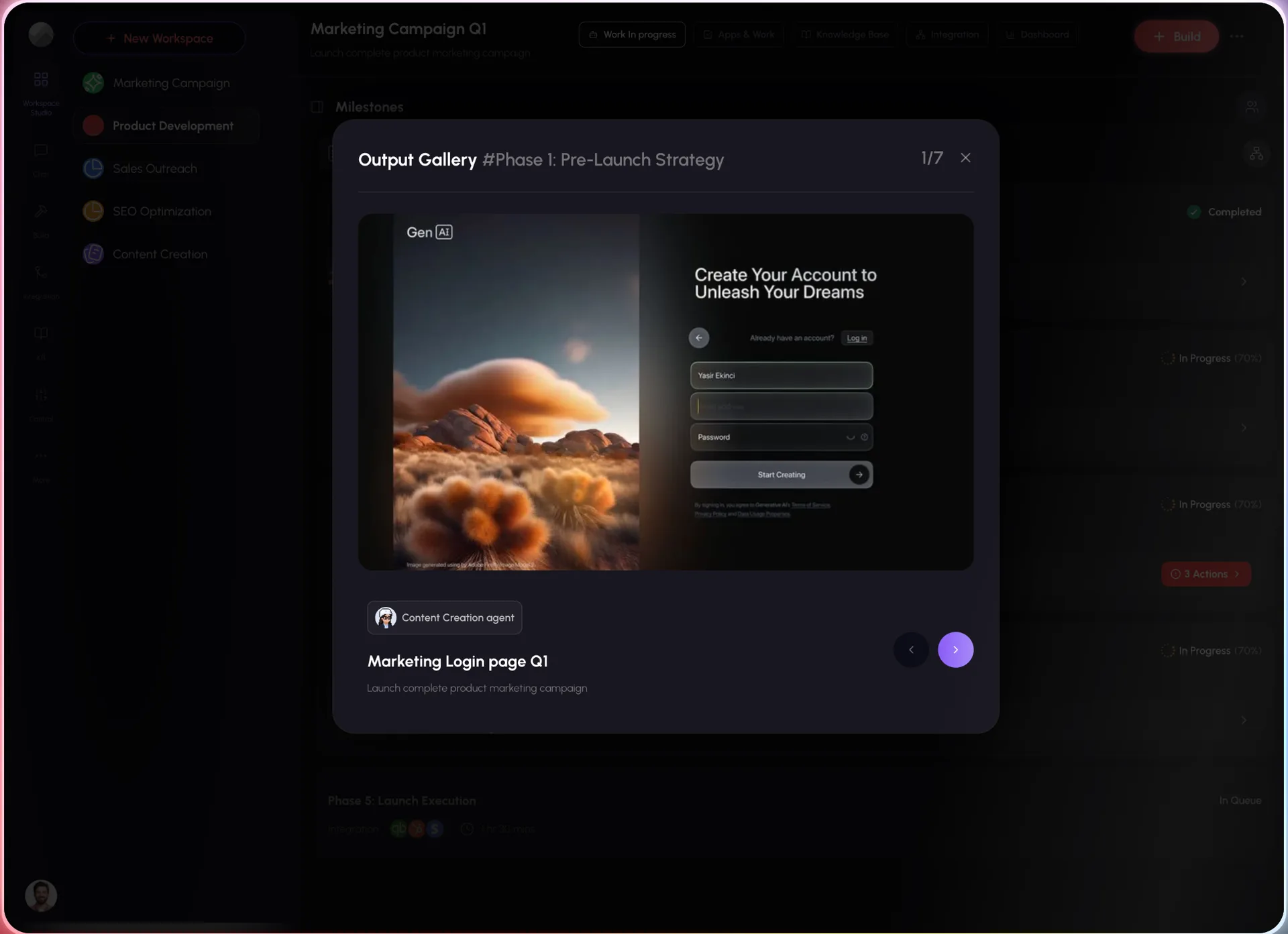
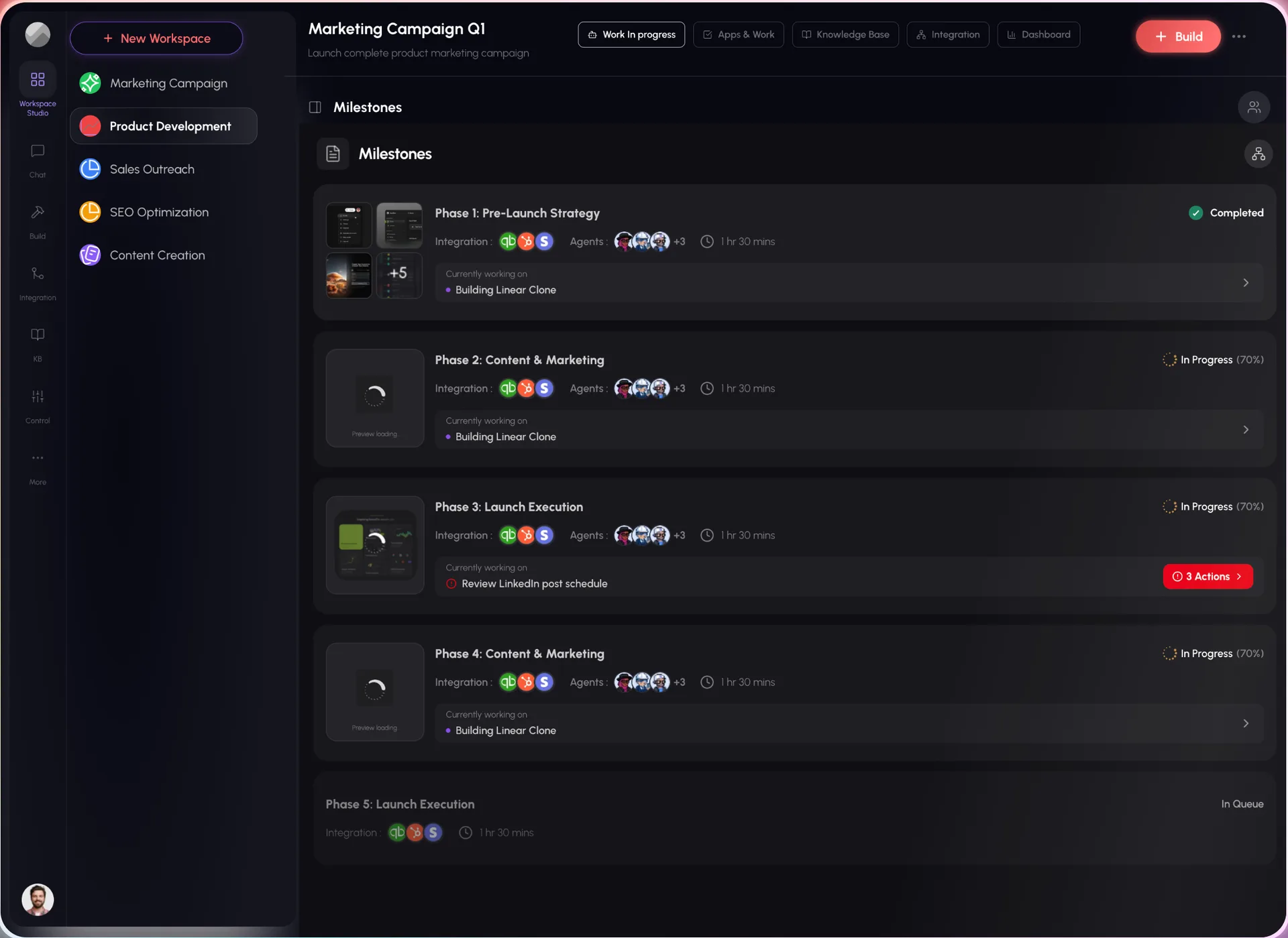
Converted Figma designs into production React interfaces and built a Storybook component library, so every surface could be assembled from one consistent set of primitives. Full cross-browser and mobile responsiveness.
API & backend integration
Worked directly with the Python backend team on GraphQL schema design against real UI needs, agreeing pagination and error-handling contracts up front.
Apollo Client layer
Normalized cache policies and type policies for core entities, keeping agent activity and workspace state consistent across views without redundant round-trips. Optimistic updates with rollback on failure.
Auth & real-time
Handled the auth token flow via Apollo link middleware; implemented subscription and polling patterns for real-time agent status, tuned against backend load.
Testing & mentoring
Mocked the GraphQL layer in Storybook and Jest so components could develop independently of backend availability. Ran code reviews and mentored junior developers.
System shape
Frontend
React, JavaScript, TypeScript, Storybook
Backend
GraphQL, Apollo Client
Infra
AWS, Jest
Screens
Stack
Frontend
- React
- JavaScript
- TypeScript
- Storybook
Backend
- GraphQL
- Apollo Client
Infra
- AWS
- Jest
Result
A live production platform built on a shared component library that became the foundation for every workspace surface, with a measurable improvement in initial load time through bundle and render optimization.